What Is Kelp Farming?
How It Works and
Why It Matters
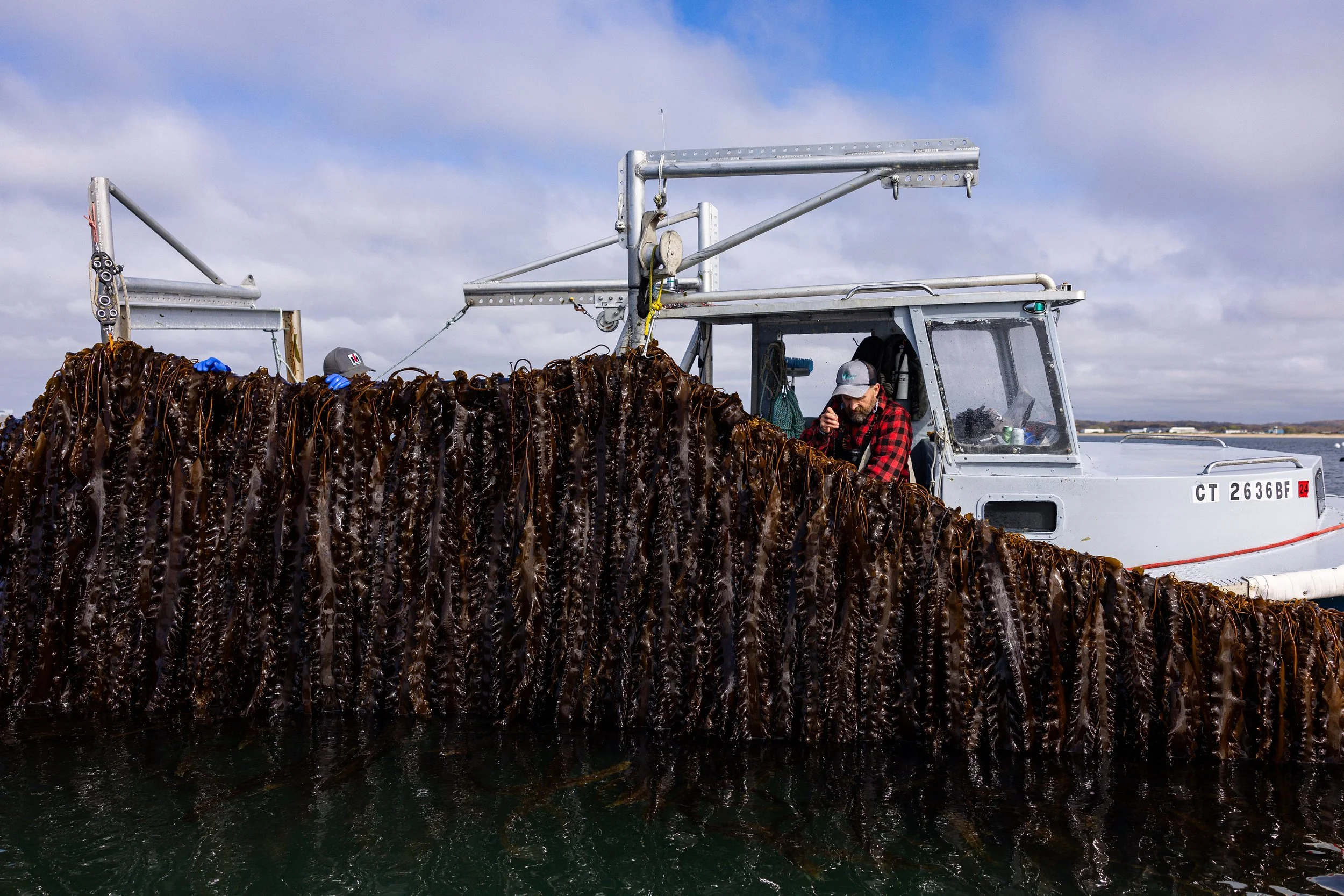
Kelp farming is the cultivation of seaweed in coastal oceans. Farmers grow kelp on underwater lines, where it uses sunlight and nutrients from the surrounding water to grow. Unlike land-based crops, kelp farming requires no land, freshwater, fertilizer, or feed. As it grows, kelp pulls carbon and nitrogen from the water around it. Requiring zero inputs and providing strong ecological benefits and functional properties, kelp aquaculture is gaining interest across food, agriculture, and biomaterials.
The seaweed farming industry in North America has moved quickly over the past decade. In 2015, a handful of experimental farms dotted the Atlantic and Pacific coastlines. Ten years later, nearly 250 kelp farms and 50 nurseries are permitted across the U.S. and Canada—enough to produce tens of millions of pounds of kelp. The buyers, processors, and infrastructure needed to match that production capacity are actively taking shape.
This is a look at what kelp farming is: what it looks like, where it’s happening, and how to get involved.
What Is Kelp?
Kelp is a large brown seaweed that grows in the cold waters of the Atlantic and Pacific oceans. “Seaweed” is a common name for marine algae, which are broadly a group of aquatic organisms that use the sunlight to grow. There are anywhere from 30,000 to 1,000,000 species of algae, with about 30 species of kelp worldwide.
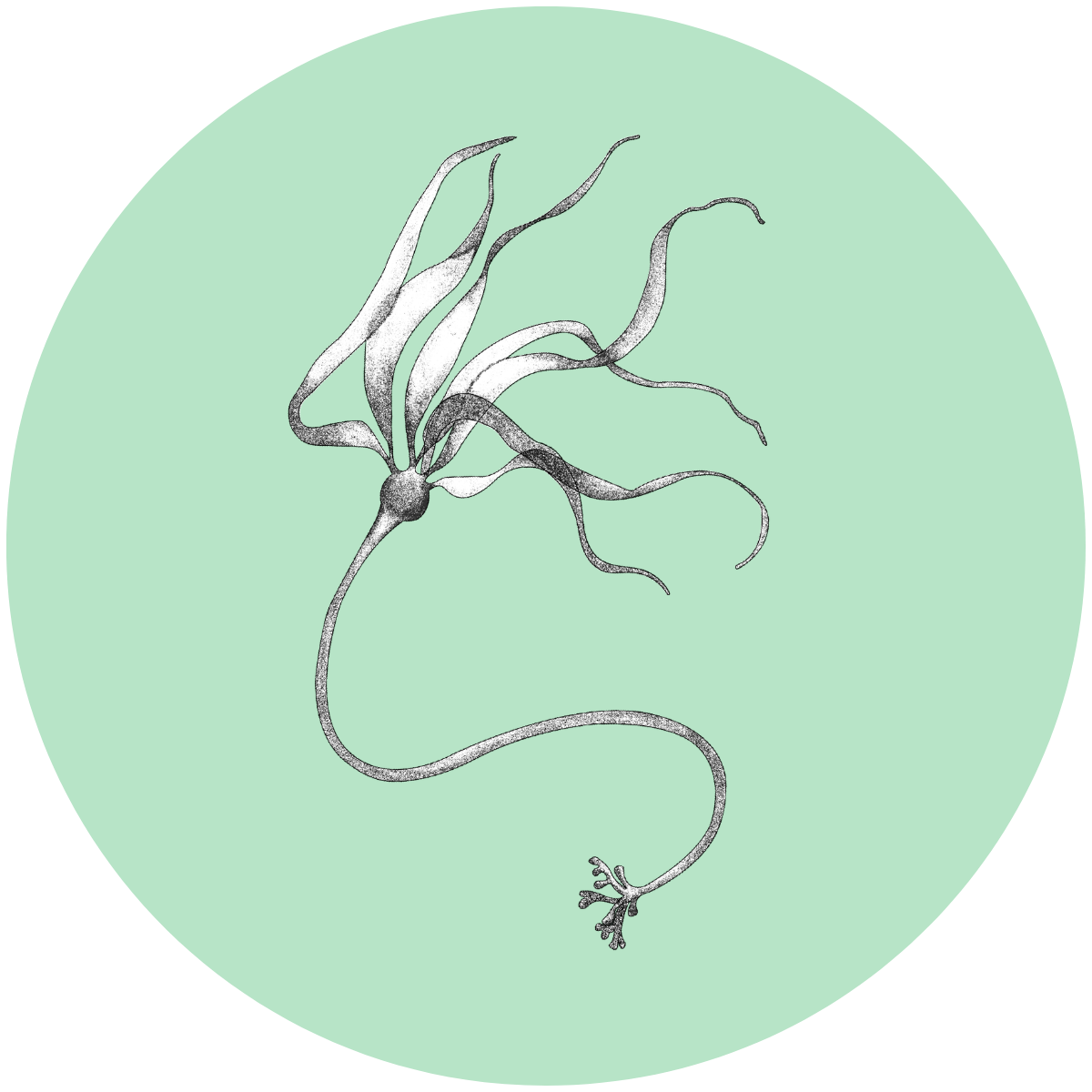
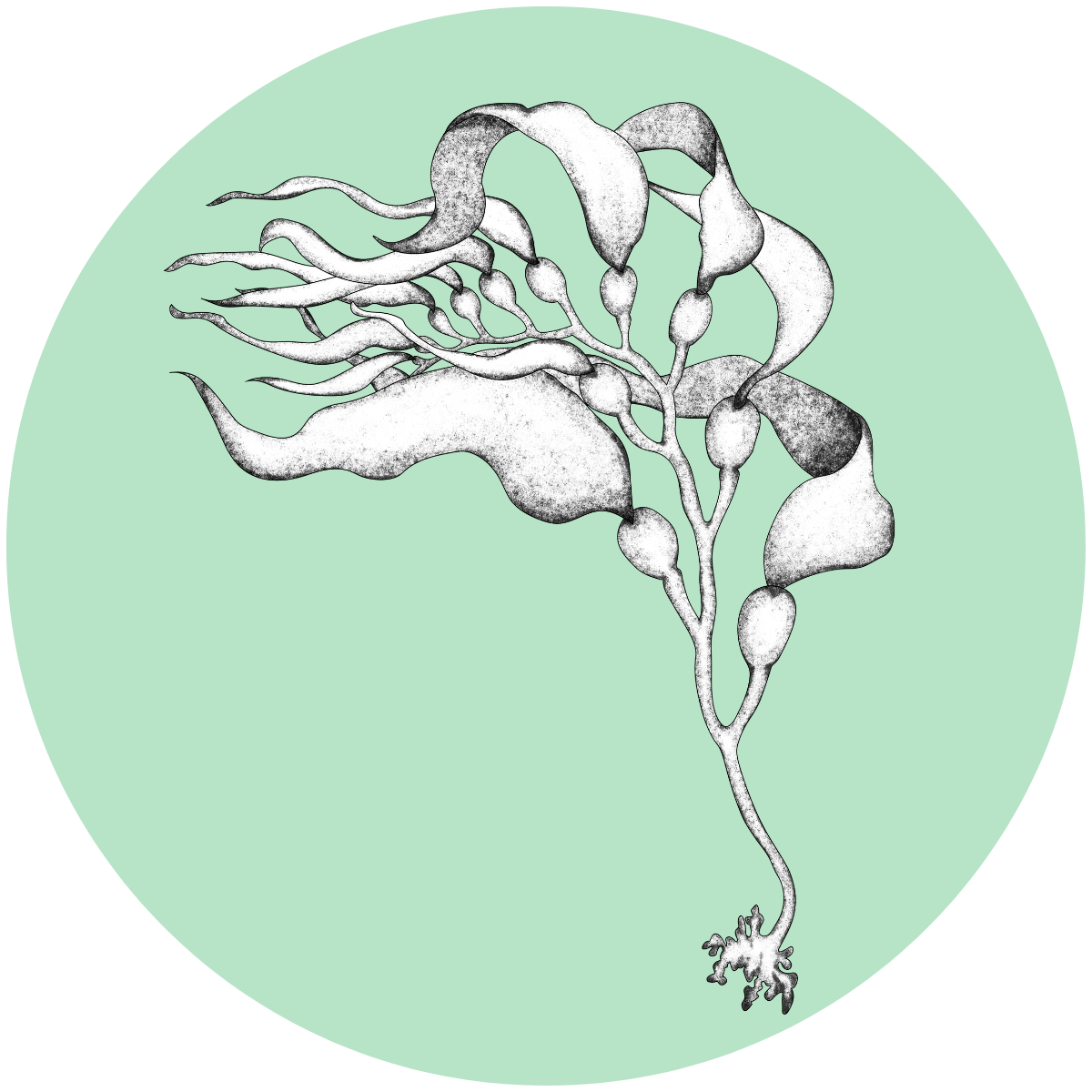
Kelp looks a lot like a plant, with stem-like structures (called stipes) and root-like structures (called holdfasts), which work together to anchor and extend the kelp’s blades towards sunlight.
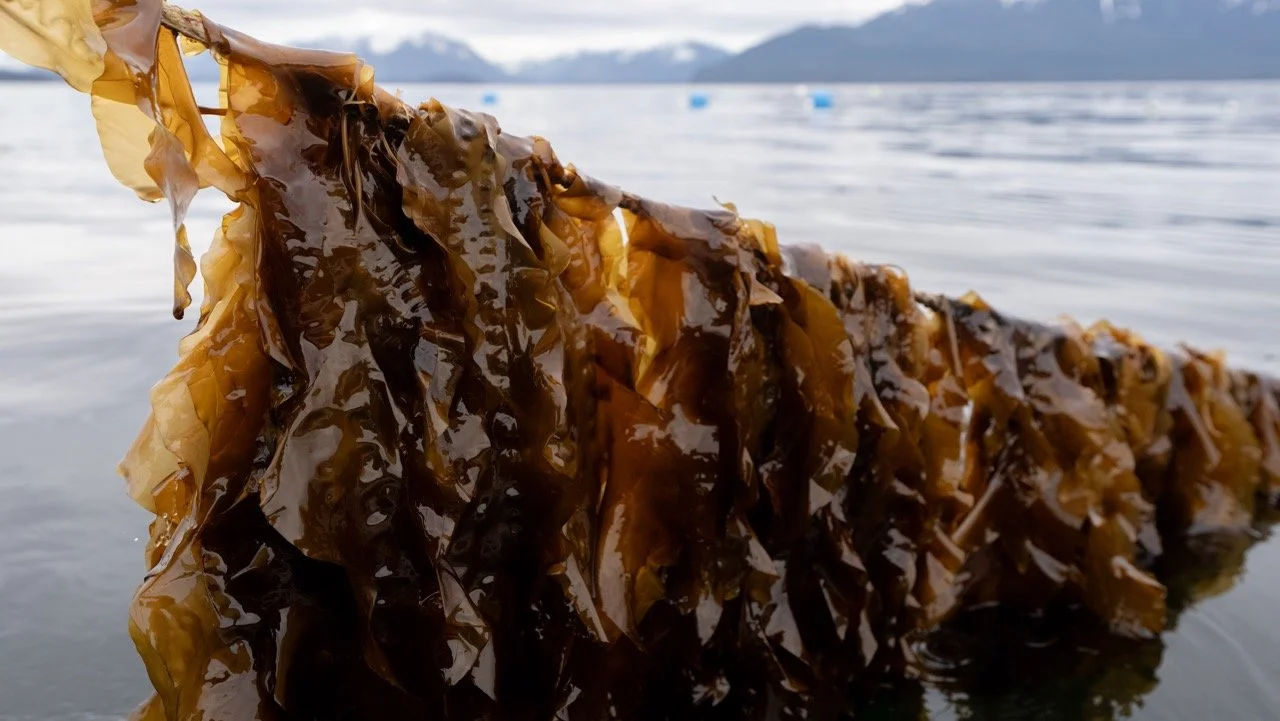
One of the most unique things about kelp is how fast it grows. Kelp is among the fastest-growing organisms on the planet. In the right conditions, it can grow more than 20 feet in a single season, with some species reaching over 100 feet long.
The most commonly farmed kelp in North America is sugar kelp (Saccharina latissima), though species like bull kelp, alaria, and giant kelp, are farmed as well. Most people assume kelp is mainly a food crop. However, the highest demand actually comes from agriculture, biomaterials, and functional ingredients. In these markets, kelp's natural compounds (e.g., polysaccharides, minerals, bioactives) help solve industry-specific problems.
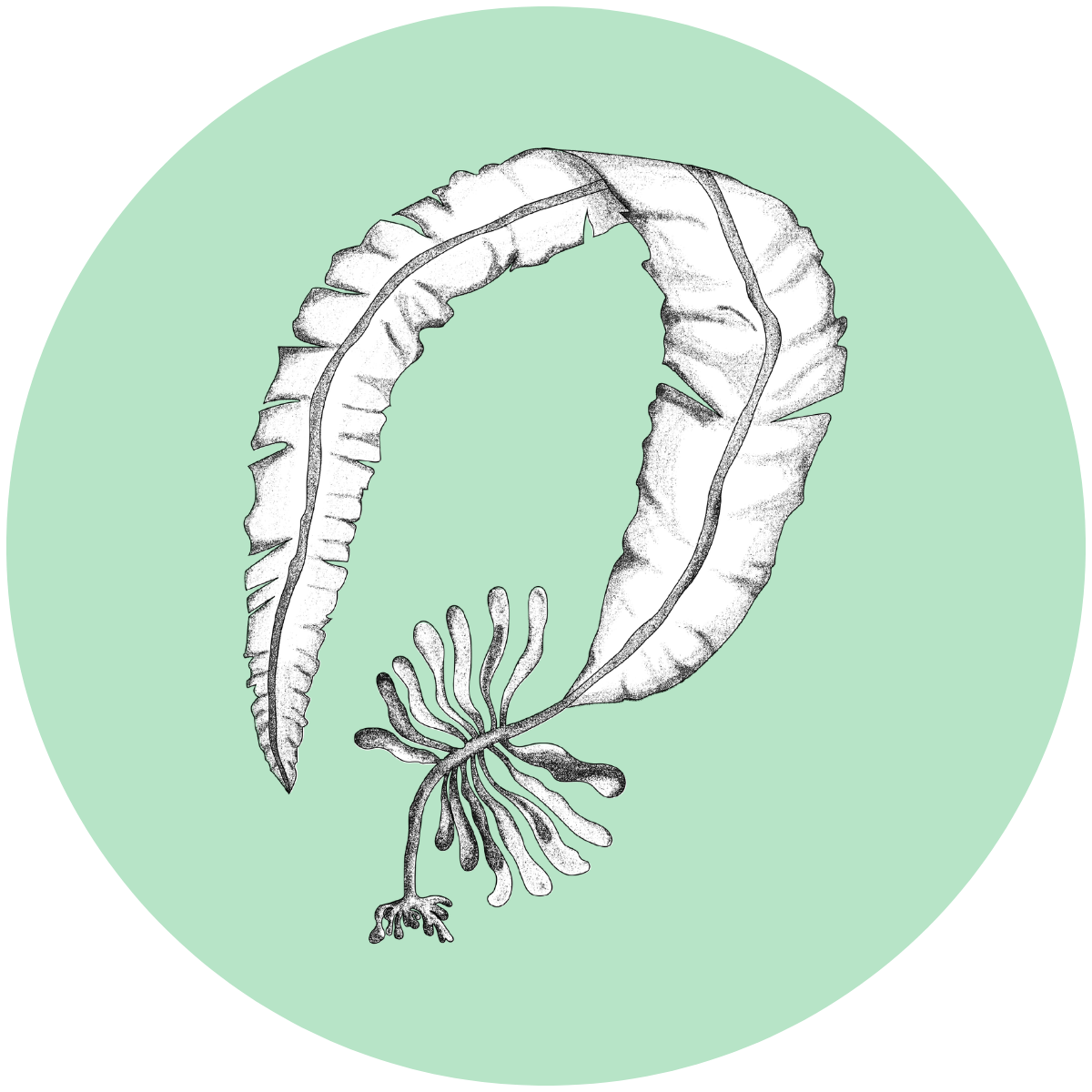
Alaria
Alaria esculenta
Bull Kelp
Nereocystis luetkeana
Giant Kelp
Macrocystis pyrifera

Skinny Kelp
Saccharina angustissima
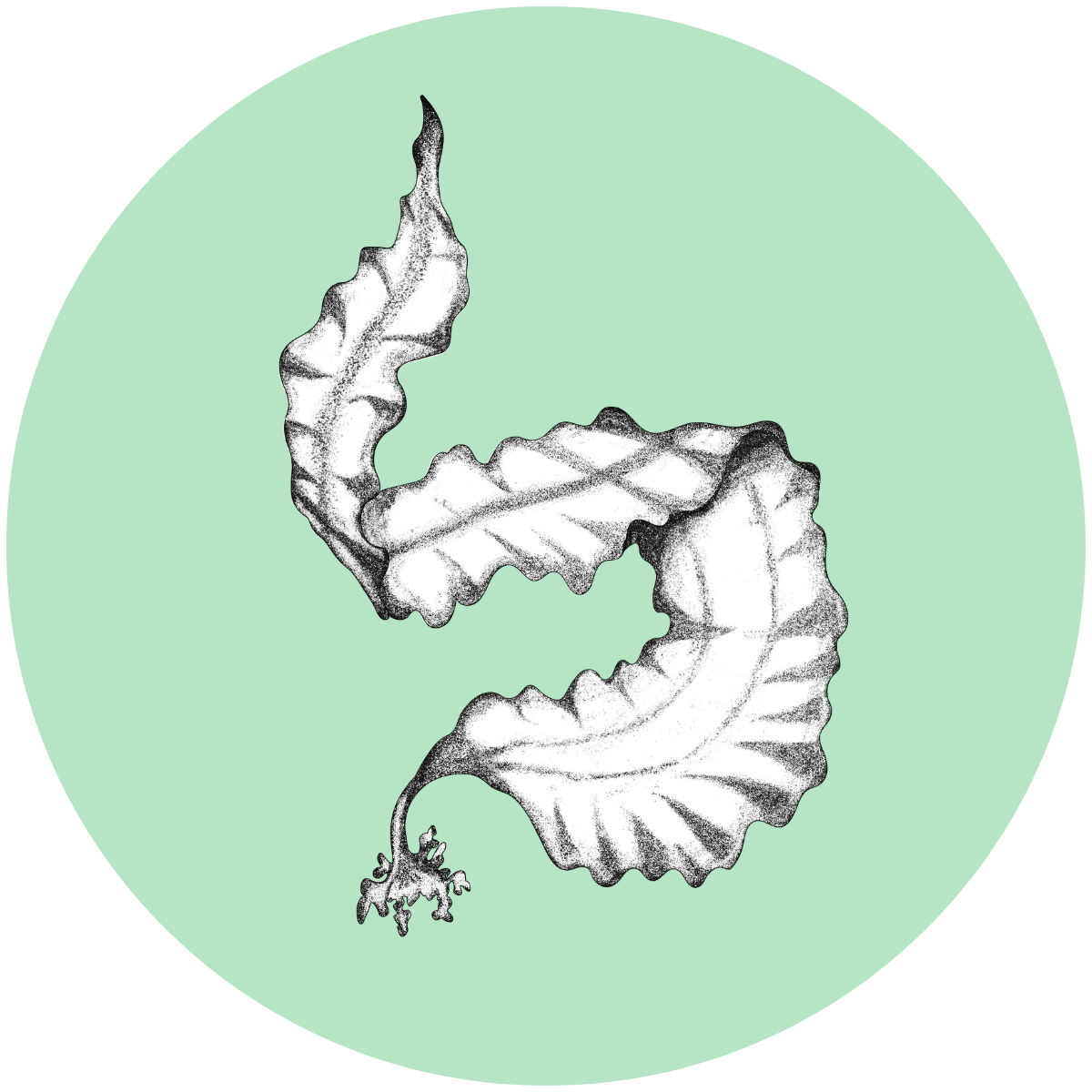
Sugar Kelp
Saccharina latissima
How Does Kelp Farming Work?
Kelp farming takes advantage of seaweed’s natural reproductive cycle. In the wild, a mature kelp releases thousands of microscopic spores. They float through the water column until they settle on a hard surface, and if conditions are right, they attach and grow. Farmers adapt this process on land, in a hatchery or nursery, before moving it out to the ocean.
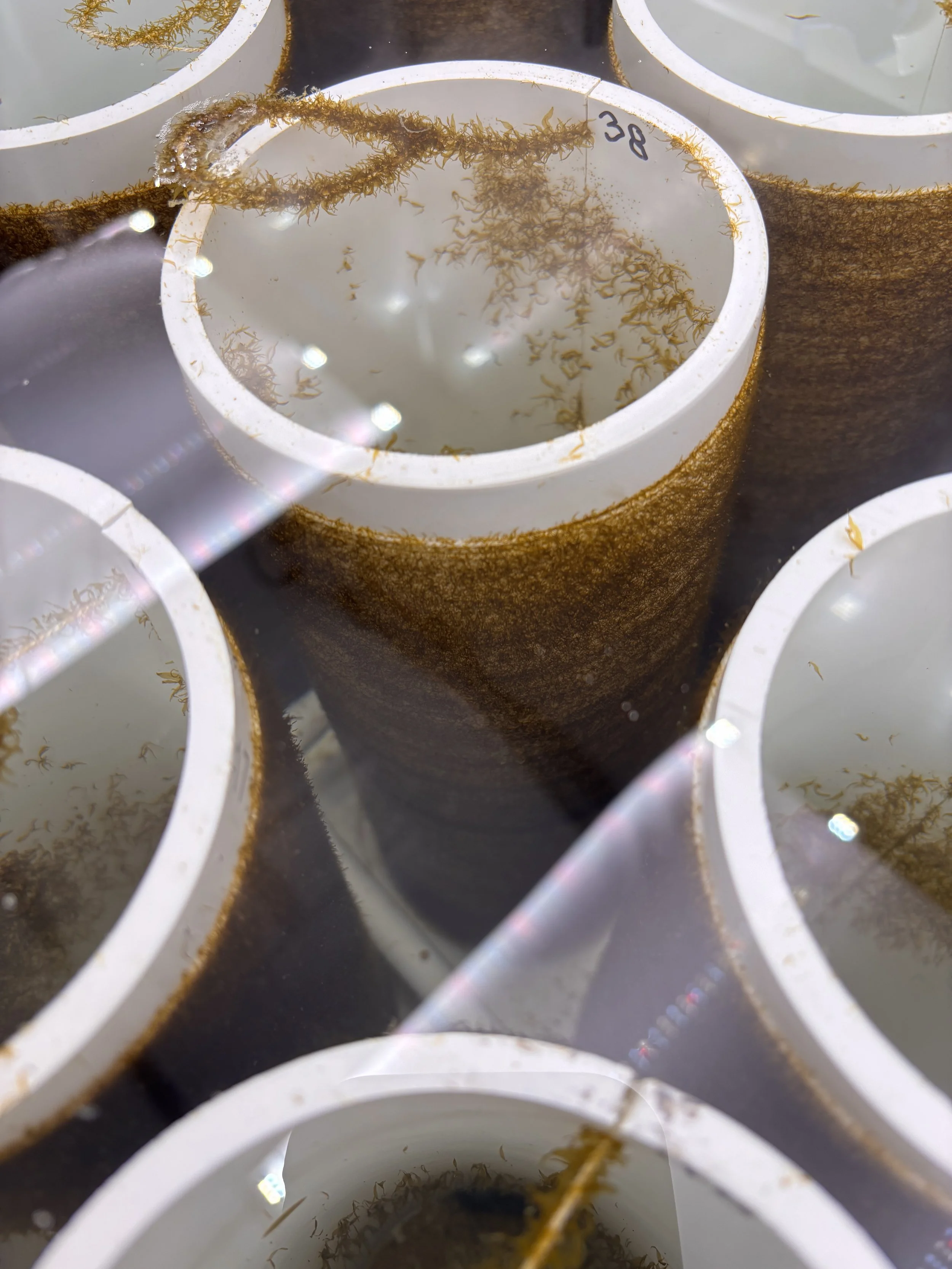
The Nursery
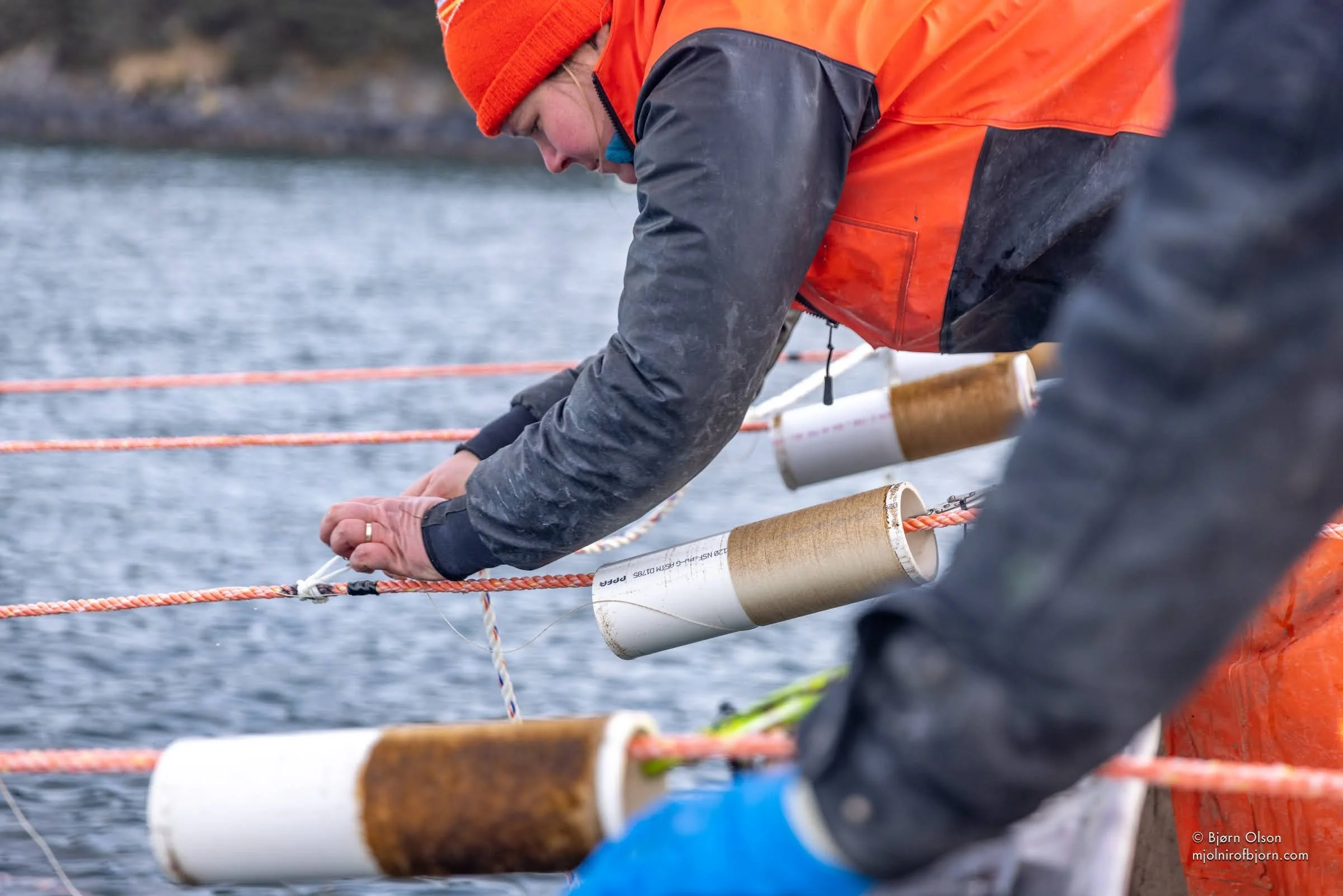
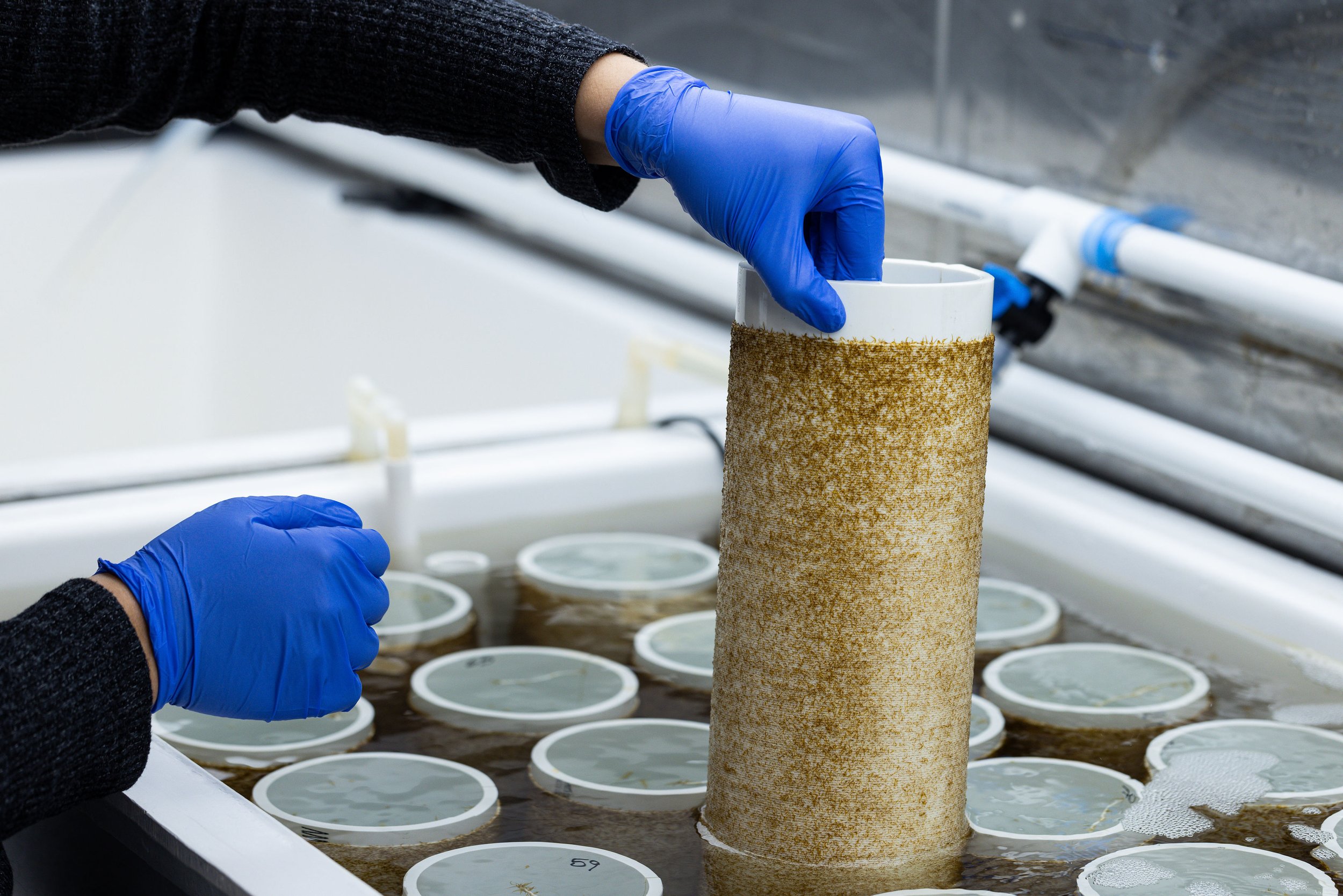
In nurseries, technicians settle spores onto lengths of seedstring wound around PVC spools, using either nursery-maintained seed stock or wild reproductive kelp. The spools stay in carefully filtered tanks of seawater until the kelp is hardy enough to head out to a nearby ocean farm. To see what different hatcheries look like, check out these different setups or take a tour of a seed bank and nursery.
Seed quality and having it ready at the right time shape a farm’s whole season, so nurseries are critical to a farm’s success. In North America, fewer than 20 facilities produce seed for both coasts, making consistent seed supply a recurring challenge. However, new approaches and standardization, from regional standard practice guides to modular nursery systems, are starting to close the gap.
Outplanting and Growth
After growing in the hatchery, spools go to the farm. There, farmers unwind the seedstring onto horizontal growlines suspended underwater. On average, farmers outplant roughly 1,800 feet of seedstring per acre, with the average farm being 32 acres.
In North American operations, the growing season typically runs from fall through spring. During this time, the young kelp attaches to the growline and grows quickly. Farmers spend this time monitoring their lines and tracking growth.
Kelp farms all look different depending on experience and scale of growth. Three common farm types are single line, 5 line, and catenary.
Explore a 3D model of the simplest type: a single-line kelp farm array →
Harvest
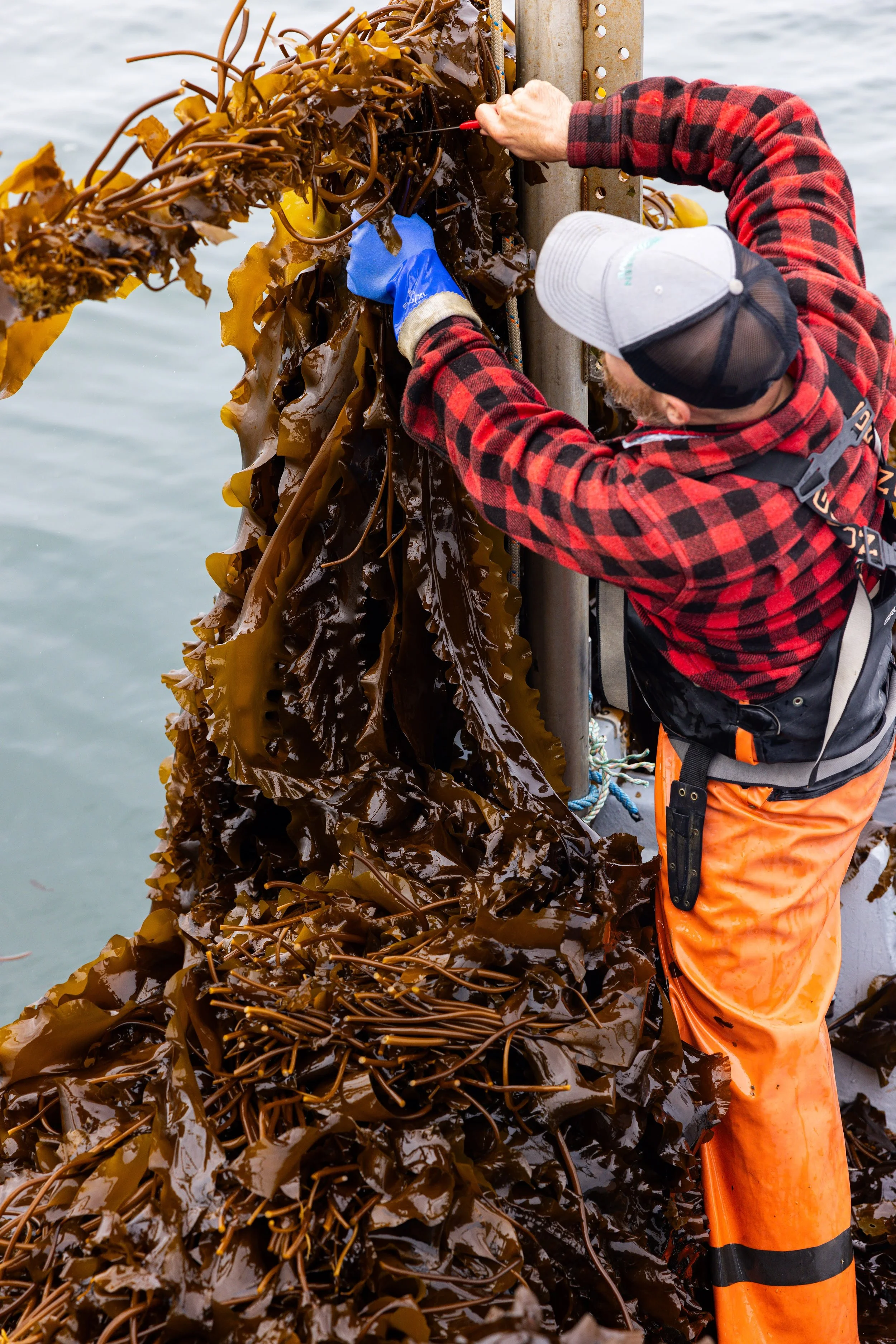
In spring, farmers harvest. They cut the kelp from the growlines by hand and work fast, since kelp is highly perishable and has to be stabilized within hours of harvest. In 2024, some farms in North America harvested up to 70,000 pounds in one season.
From there, the kelp moves along the supply chain to a processor or buyer, who dries, freezes, or otherwise transforms it into food, functional ingredients, or biostimulant.
Where Is Kelp Farming Happening in the U.S. and Beyond?
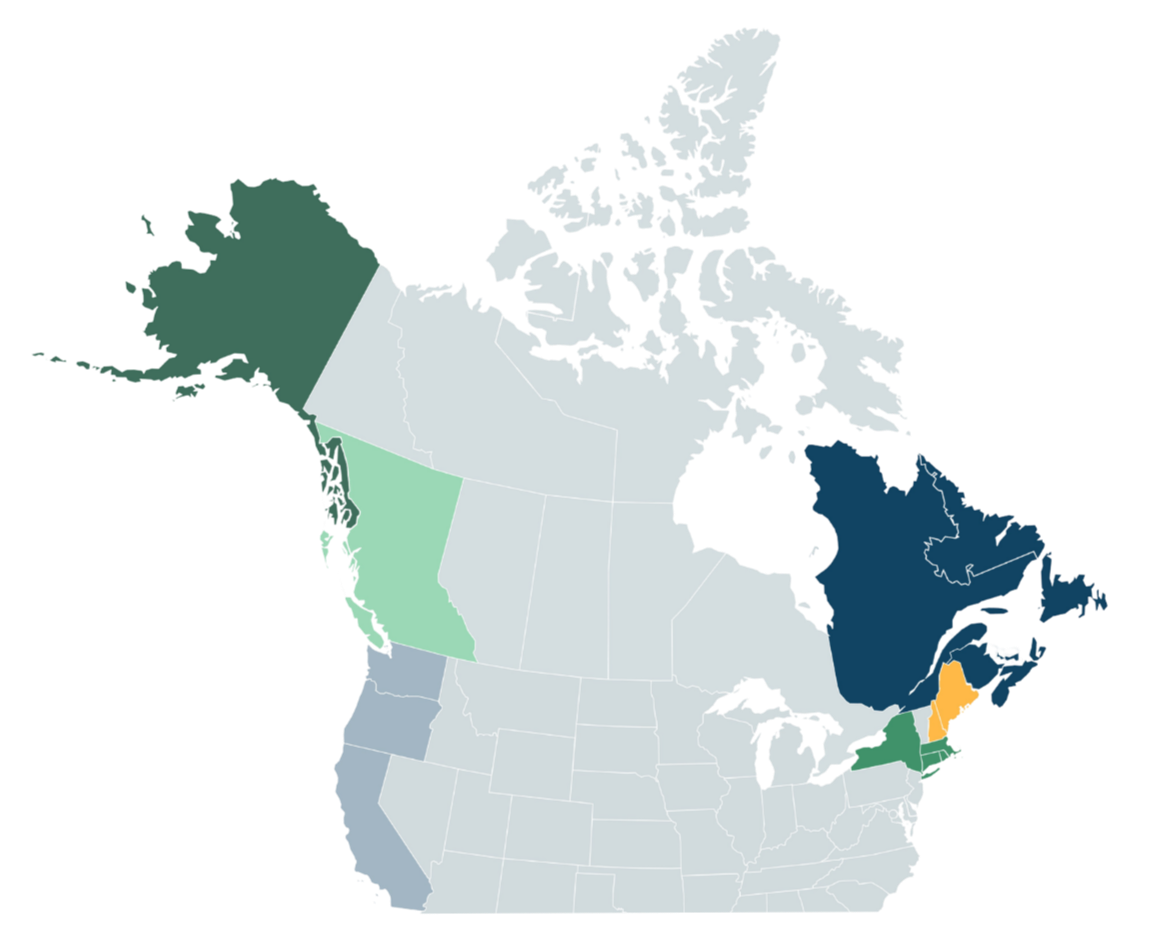
Kelp grows best in cold water around 50°F (10°C), so farming is concentrated in northern coastal regions. As of the 2026 publication of GreenWave’s State of the Kelp Industry report, nearly 250 permitted farms mainly operate across Alaska, Atlantic Canada, British Columbia, the Gulf of Maine, Southern New England, and the U.S. West Coast.
Seaweed farming is relatively new in North America. In Asia, the practice spans centuries, with large-scale producers supplying most of the world's farmed seaweed. North America is taking a different approach: farmer-owned operations built for domestic supply chains and regional markets, not global scale. This shapes everything from farm designs to the buyers involved and kelp’s end uses.
What Is Kelp Used For?
For the past decade, North American kelp sold mainly as a specialty food: chips, pasta, alt-protein burgers, and "climate hero” ingredients. That approach largely struggled, and many of those companies have closed or scaled back. The market has shifted as people realize that kelp has many applications beyond food. Companies are actively looking for ingredients that can replace petroleum-based inputs, improve product performance, and meet rising environmental standards. Kelp offers many of these benefits, with a wide mix of useful carbohydrates, amino acids, lipids, bioactives, vitamins, and minerals.
Demand for kelp is strongest in three sectors:
Agriculture — the largest and fastest-growing use. Kelp-based biostimulants and soil amendments help land-based farmers manage drought and high fertilizer prices.
Ingredients — kelp-derived compounds hydrate, stabilize, and add nutrients to products from skincare to packaged foods.
Biomaterials — kelp can be made into bio-based materials like nanocellulose, an emerging alternative to petroleum-based inputs.

Kelp in food remains part of the picture, but the industry is no longer banking on consumer demand for seaweed snacks to drive volume and sustain the industry.
Today, North American kelp has a purchasing potential approaching 5.5 million pounds a year. If you’re interested in exploring the market side of the kelp industry, check out GreenWave’s market resources or Kelp CoLab.
What Are the Challenges in Kelp Farming?
The biggest challenges facing the industry right now aren't about kelp supply. They're about what happens to the kelp before and after it leaves the water:
The market is still developing. Only 27% of farms surveyed reported profitability in 2025, and the supply chain connecting farmers and buyers is still forming.
Infrastructure gaps slow everything down. Purpose-built gear for harvest, transport, and storage is limited and varies by region, which makes it hard to move product efficiently.
Financing is tough. Lenders see ocean farming as risky, and most farmers have limited capital to start or scale.
The ocean is unpredictable. Seed quality, water temperature, storms, and site conditions can make or break a season.
These challenges are real, but so is the progress. The supply chain is forming, platforms like Seaweed Source are helping connect farmers, buyers, and processors, and financing tools designed specifically for ocean farmers are available through programs like the Kelp Climate Fund. The pieces are coming together, and there’s room for more people across the supply chain to get involved.
You don't have to start a farm to support the industry. The easiest entry point is as a consumer: kelp is in food, pet treats, supplements, skincare, biostimulants, and bio-based packaging. Buying products made with ocean-farmed kelp helps build the market that farmers depend on. You can find kelp products at many supermarkets and online.
How Can I Get Involved in Kelp Farming?
Working in the industry is also an option. There are a few common entry points:
Farm Kelp
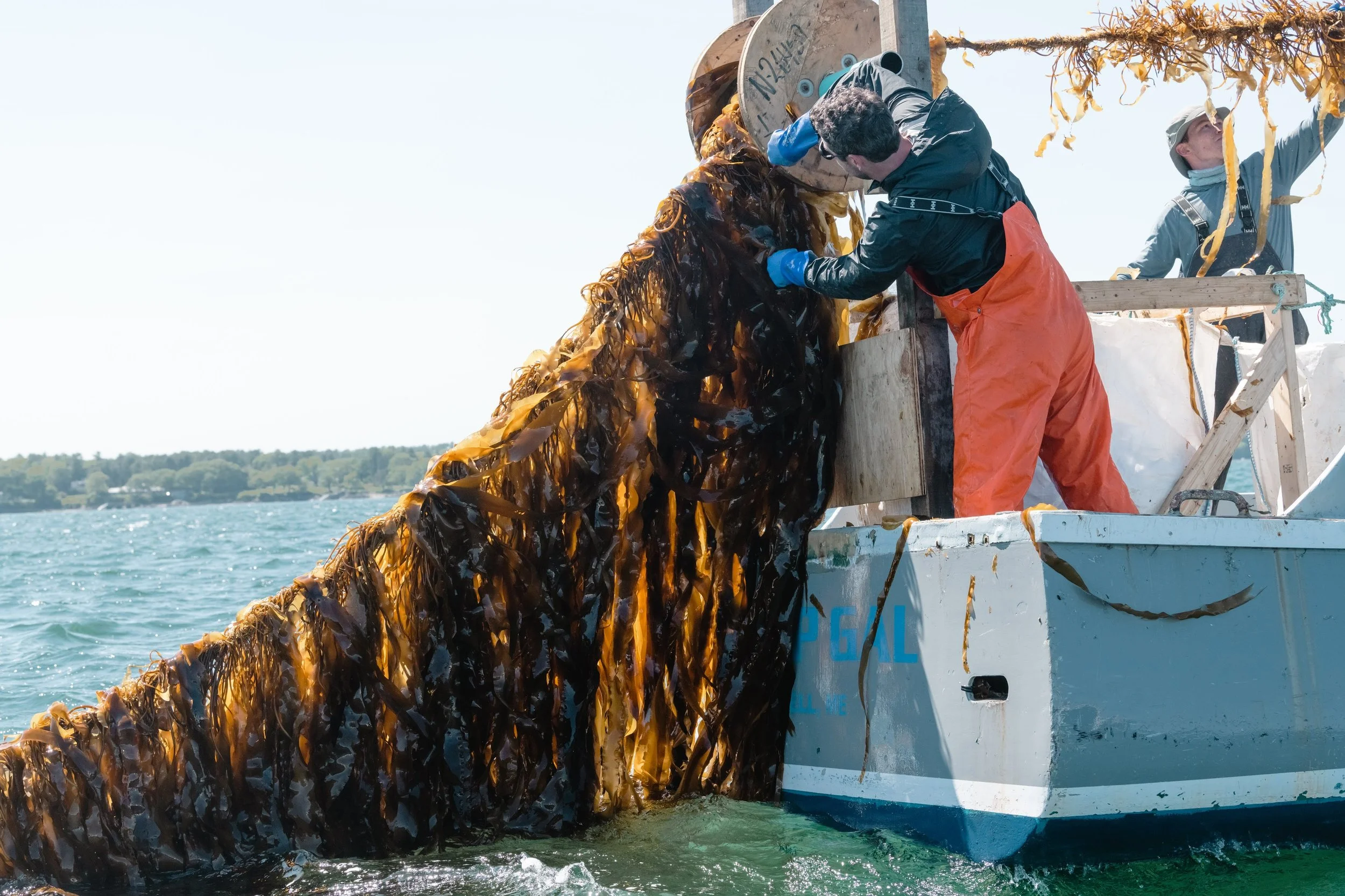
Grow kelp on a leased ocean site. It takes experience working on the water, a permit, and seed, with roughly two to three years from first research to first harvest. You can dive deeper into kelp farming in GreenWave’s Kelp Farming 101 course.
Run a Nursery
Produce the seed farms depend on. No water lease required, and it suits people with lab, greenhouse, or agricultural backgrounds. More about nurseries is available in the Introduction to Kelp Hatcheries course.
Work the Market Side
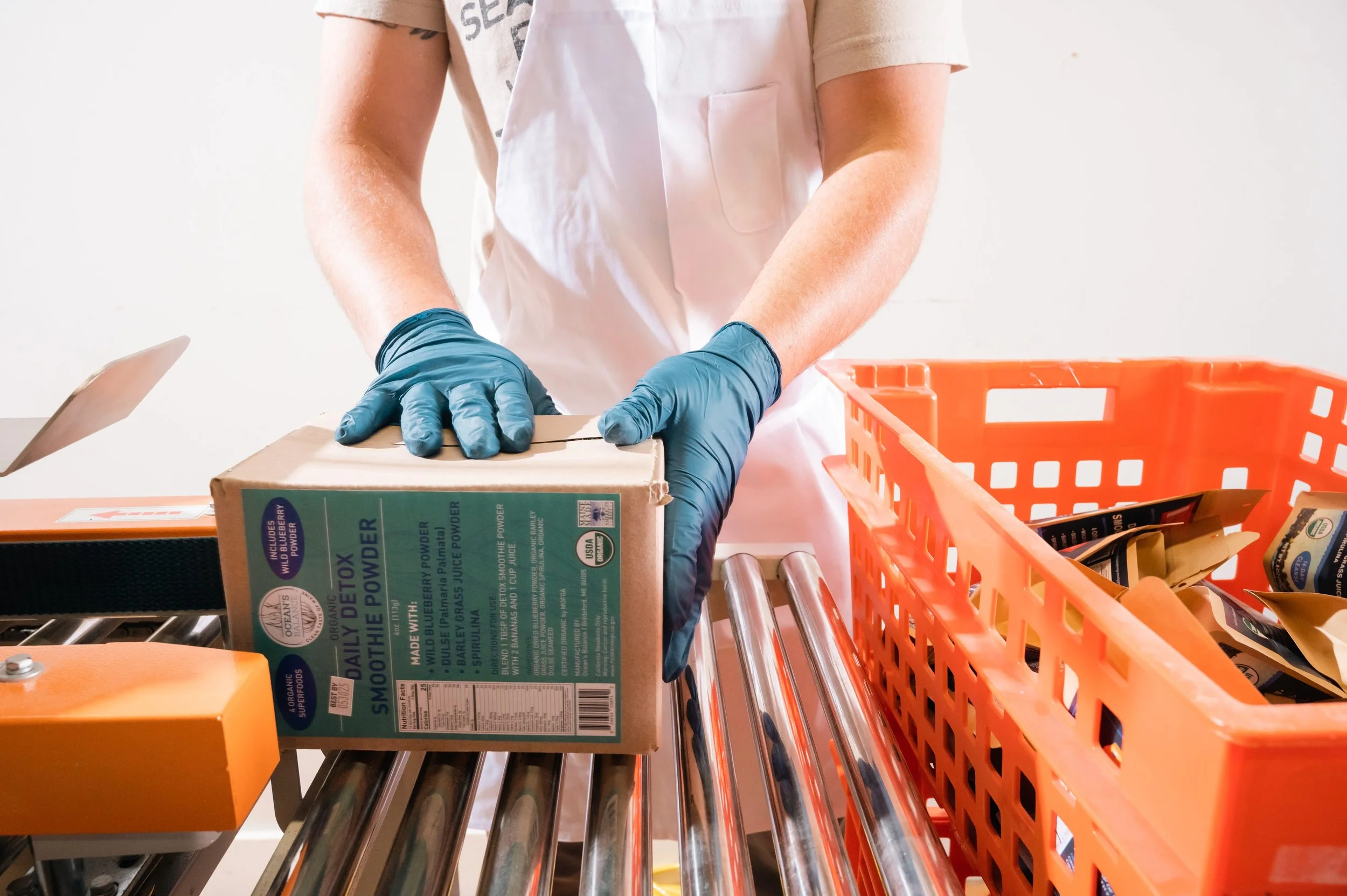
Bring kelp into existing or new product lines as a buyer, processor, or product developer. The buyer guides and the Sea to Sale webinar series are the best places to learn more.
Farming, nurseries, and the market side aren't the only ways to get involved. Science, logistics, and public policy all play a part in building a functioning industry. Wherever you fit, the Ocean Farming Hub has resources and a community to help you get started.
Want to Dive Deeper into Kelp Farming?
GreenWave works to support farmers and build the regenerative ocean farming industry at every stage. Here’s where to go next depending on where you are now.
New to kelp farming?
Start with intro courses on kelp farming or running a nursery on the Ocean Farming Hub.
Already in the kelp industry?
Explore GreenWave’s programs for farmers, buyers, processors, and others working along the supply chain:
Seaweed Source: a free platform connecting farmers, buyers, and processors
Kelp Climate Fund: a subsidy that pays ocean farmers for their farms’ climate impacts
Kelp CoLab: an innovation program that connects CPG brands with kelp-based ingredients and product R&D
Want the bigger picture?
Learn more about GreenWave’s work supporting farmers and building the regenerative ocean farming industry.
Want to stay in the loop?
Subscribe to our newsletter for updates on farmer stories, market opportunities, and industry news.